

Complete Varanasi to Deogarh (Lalitpur) travel guide — real distance, train routes, local cab options & what to see at this 6th-century temple site.
Deogarh — a remarkable 6th-century temple site in the Betwa River valley near Lalitpur, Uttar Pradesh — is one of the most architecturally significant places in North India. It holds the earliest known Panchayatana-style Hindu temple in India (the Dashavatara Temple, dedicated to Vishnu) alongside a cluster of more than 30 ancient Jain temples, the most revered being the Shantinath Temple. For history enthusiasts, architecture lovers, and Jain devotees, Deogarh is a genuine pilgrimage of discovery.
But here is the honest truth most search results will not tell you upfront: Deogarh is not a same-day trip from Varanasi. It sits roughly 600 kilometres west, near the Madhya Pradesh border, close to Jhansi and Orchha. This guide gives you the complete, accurate picture — distance, realistic travel options, and how to plan the journey properly.
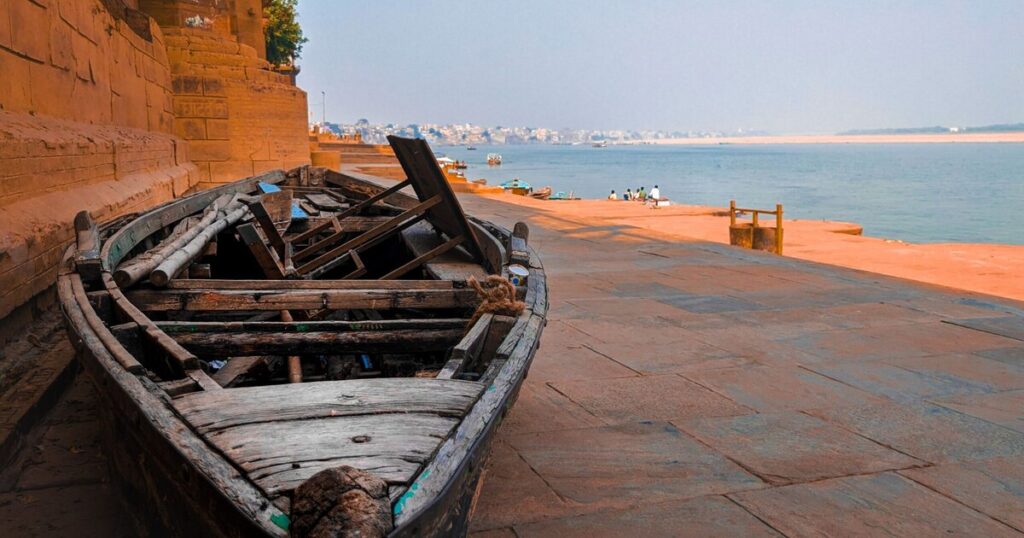
Varanasi to Deogarh
How Far Is Deogarh From Varanasi — The Honest Numbers
Deogarh itself sits in Lalitpur district, about 33 km from Lalitpur town, close to the Madhya Pradesh border. The straight-line distance from Lalitpur to Varanasi by rail is approximately 605 km. By road, the journey is comparable — roughly 600 to 650 km depending on the exact route taken.
This is a fundamentally different scale of journey than the short outstation routes most travelers associate with Varanasi cab packages — Ayodhya (200 km), Prayagraj (130 km), or Sonbhadra (100 km). Deogarh is, realistically, a separate multi-day trip rather than an add-on day excursion.
Being upfront about this matters. Any plan promising a same-day Varanasi-to-Deogarh private cab round trip would mean 12+ hours of one-way driving — not a realistic or safe option for any traveler.
The Three Realistic Ways to Reach Deogarh From Varanasi
Option 1 — Train to Jhansi or Lalitpur, Then Local Cab (Recommended)
This is by far the most practical and comfortable route. Direct trains run from Varanasi Junction to Jhansi Junction, covering approximately 531 km in 9 to 13 hours depending on the train. The fastest option is the Amrit Bharat Express, completing the Varanasi–Jhansi run in approximately 9 hours. Several other trains — including the Banaras–Gandhinagar Capital SF Express and the Bundelkhand Express — also operate this route, with fares ranging from approximately ₹330 (sleeper class) upward depending on class.
From Jhansi, a local cab to Lalitpur covers approximately 90–117 km in about 1.5 to 2 hours by road, or you can continue by train — frequent connections run between Jhansi and Lalitpur in roughly 1 hour 5 minutes on the fastest services. From Lalitpur town, Deogarh is a further 30–35 km — about 45 minutes to an hour by local taxi.
Total realistic journey: Overnight train Varanasi to Jhansi (9–13 hours), local transfer to Lalitpur (1–2 hours), then taxi to Deogarh (45 minutes). Plan for this to be a full travel day in each direction.
Option 2 — Fly or Train to a Closer Hub, Then Road Trip
For travelers prioritizing comfort over budget, flying into a closer airport and arranging ground transport can reduce total travel time. The Dashavatara Temple site is roughly 220 km west of Khajuraho and 250 km south of Gwalior — both of which have airports with regular domestic connections. From either city, a private cab to Deogarh via Jhansi/Lalitpur takes approximately 4–5 hours by road.
This option works well for travelers combining Deogarh with the Khajuraho temple circuit or the Gwalior–Orchha heritage trail — all of which sit in reasonable proximity to each other in this part of central India.
Option 3 — Multi-Day Road Trip From Varanasi
For travelers who specifically want the full overland journey — perhaps combining stops along the way — a private vehicle from Varanasi to Deogarh covers approximately 600–650 km, which at a realistic average speed translates to 12–14 hours of driving. This is only advisable as a two-day journey with an overnight halt, most practically in or around Jhansi or Orchha, both of which have established hotel infrastructure and worthwhile heritage sites of their own.
For groups wanting this format, a dedicated Innova Crysta or similar vehicle with an experienced long-distance driver is essential — this is not a single-stretch drive to attempt without a planned overnight break.
What to See at Deogarh
The Dashavatara Temple
Built in the early 6th century during the Gupta period, this is considered one of the earliest surviving stone Hindu temples in India and the earliest known example of Panchayatana temple architecture — a central shrine surrounded by four subsidiary shrines at the corners. Dedicated to Vishnu, the temple’s carved panels depict scenes from his various avatars, along with images of Shiva, Parvati, Brahma, and figures from the Mahabharata. The artistry is considered a benchmark of Gupta-era sculptural achievement.
The Jain Temple Complex
Within the Deogarh fort, a cluster of more than 30 Jain temples built between the 8th and 17th centuries forms one of the most significant Jain heritage sites in North India. The Shantinath Temple, built before 862 CE, is the most revered — housing an 11-foot tall single-stone idol of Lord Shantinath, the 16th Jain Tirthankara. Thousands of carved Jain sculptures embedded in the surrounding walls make this complex an extraordinary record of medieval Jain art and devotion.
The Fort and the Betwa Ghats
The 13th-century Deogarh Karnali fort overlooks the Betwa River, with three historic ghats — Nahar Ghat, Rajghat, and the ghat with the Siddh ki Ghufa (saint’s cave) — adding further archaeological and spiritual significance to the site.
Best Time to Visit
October through March offers the most comfortable weather for exploring the temple complex and fort area. Summer months bring intense heat across this part of Bundelkhand, making outdoor exploration genuinely difficult between April and June.
Planning a Combined North-Central India Circuit
For travelers willing to commit to the distance, Deogarh combines naturally with Khajuraho (220 km), Orchha (140 km), and Gwalior (230 km) — together forming one of the richest heritage circuits in central India. A 5–7 day itinerary covering Varanasi, this Bundelkhand heritage circuit, and a return via Prayagraj or directly back to Varanasi is achievable for travelers with the time and interest in temple architecture spanning the Gupta, medieval Jain, and Chandela periods.
For those whose primary pilgrimage focus remains within easy reach of Varanasi, Tripcosmos’s core circuits — Varanasi, Ayodhya, and Prayagraj — remain the more practical and time-efficient option. Deogarh is best approached as a dedicated, separate journey for travelers specifically drawn to Gupta-era and Jain temple architecture.
Plan Your Journey With Tripcosmos
While Deogarh sits outside Tripcosmos’s core same-day cab network from Varanasi, the team can assist with planning the Varanasi-to-Jhansi train leg, arranging a verified local cab for the Jhansi/Lalitpur-to-Deogarh segment, and coordinating any onward travel if you are combining this with a broader North India pilgrimage circuit.
For travel within easy reach of Varanasi — Ayodhya, Prayagraj, or the Varanasi sacred circuit itself — Tripcosmos provides complete private cab services with verified drivers and transparent pricing.
📍 Website: https://tripcosmos.co 📱 WhatsApp: +91 9336116210
Frequently Asked Questions
Q1: Is there a direct one-day taxi from Varanasi to Deogarh?
No — this is not a realistic same-day journey. Deogarh is approximately 600–650 km from Varanasi, requiring 12–14 hours of driving one way. The recommended approach is an overnight train from Varanasi to Jhansi (9–13 hours), followed by a local cab to Lalitpur and then Deogarh (approximately 2 hours combined). Treat this as a multi-day trip, not a day excursion.
Q2: What is the best way to travel from Varanasi to Deogarh?
The most practical route is train from Varanasi Junction to Jhansi Junction (9–13 hours depending on the train, with the Amrit Bharat Express being fastest at approximately 9 hours), followed by a local taxi or train connection to Lalitpur (1–2 hours), and a final short cab ride of 30–35 km to Deogarh (approximately 45 minutes).
Q3: Can Deogarh be combined with other heritage sites in the region?
Yes — Deogarh sits within reasonable distance of Khajuraho (220 km), Orchha (140 km), and Gwalior (230 km), making it a natural addition to a broader central India heritage circuit covering Gupta, Chandela, and medieval Jain architecture. This works best as a dedicated 5–7 day trip rather than a side excursion from a primary Varanasi pilgrimage visit.
Conclusion
Deogarh is a genuinely extraordinary destination — among the earliest surviving Hindu stone temples in India alongside one of North India’s most significant Jain temple complexes. But it deserves honest planning. This is not a quick add-on to a Varanasi pilgrimage; it is a separate, rewarding journey in its own right, best undertaken by train to Jhansi followed by local transport, or combined thoughtfully with the wider Bundelkhand heritage circuit.
Plan the distance honestly, and Deogarh will reward the effort.





Comments are closed.